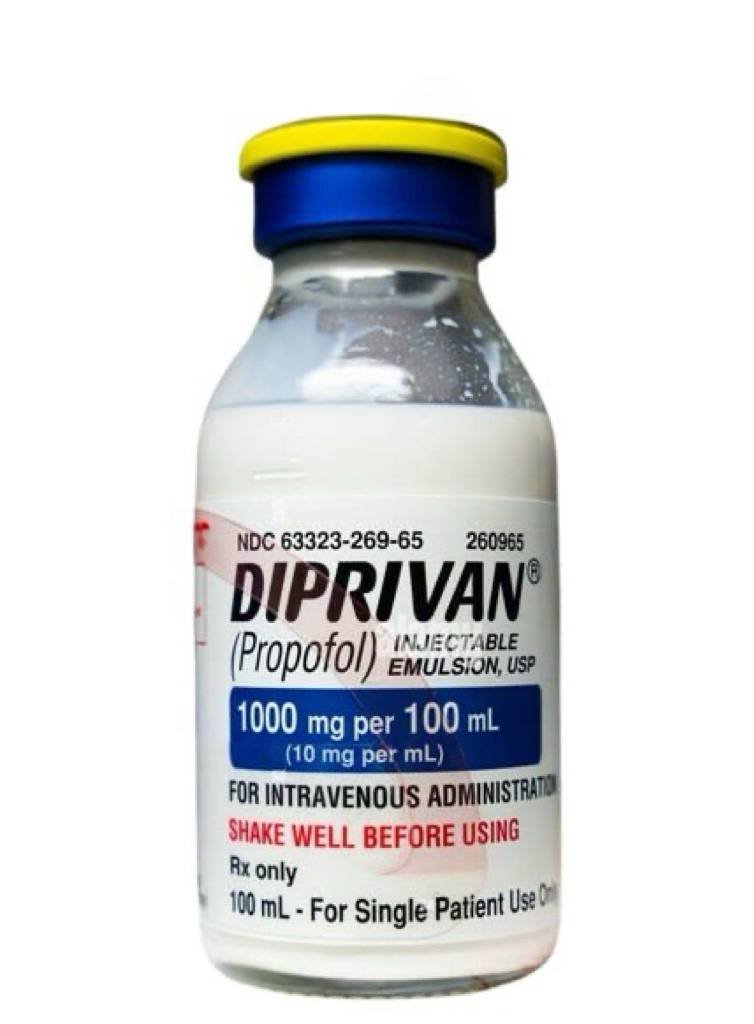
Description
Buy Propofol (Diprivan) for Rapid-Onset General Anaesthesia Induction and ICU Sedation
Why Buy Propofol Dominates UK Anaesthesia
Initially, invasive surgical procedures and mechanical ventilation trigger extreme physiological stress in human patients (Problem). Older volatile anaesthetic gases frequently cause severe post-operative nausea, vomiting, and prolonged cognitive delirium. Therefore, modern British hospital medicine relies heavily on buy Propofol, widely known by its flagship brand name Diprivan. This Diprivan intravenous anaesthetic emulsion modulates central nervous system receptors to induce smooth, predictable unconsciousness within thirty seconds (Solution). Consequently, patients enter surgical sleep effortlessly and wake up with remarkable mental clarity (Benefit). Furthermore, unique UK clinical audits confirm its unmatched safety profile across millions of procedures annually (Proof). Today, MedAccessOTC.co.uk presents this comprehensive clinical guide for medical professionals and informed patients.
Post-Operative Hangovers and Volatile Gas Risks in Surgery
Firstly, clinicians must recognise the limitations of traditional anaesthetic agents. Historically, barbiturates like thiopental and halogenated inhalational gases dominated operating theatres across the United Kingdom. However, these older compounds accumulate rapidly inside peripheral adipose tissues during lengthy operations. Consequently, patients suffer from delayed awakening and severe drowsiness for hours after surgery ends. Moreover, volatile gases irritate the chemoreceptor trigger zone in the brainstem. This irritation causes distressing post-operative nausea and vomiting (PONV) in over thirty percent of surgical patients. Therefore, hospital teams urgently require a cleaner, faster-acting pharmacological alternative to protect patient recovery.
How Propofol and Diprivan Transform Patient Recovery
Fortunately, Propofol eliminates these recovery obstacles completely. Chemically identified as 2,6-diisopropylphenol, this potent phenolic derivative operates with extraordinary pharmacokinetic speed. When an anaesthetist injects the milky-white emulsion into a peripheral vein, the active molecule crosses the blood-brain barrier in one arm-brain circulation cycle. Consequently, the patient loses consciousness smoothly within thirty to forty seconds. Furthermore, the liver and extrahepatic tissues clear Propofol from the bloodstream at an astonishing rate. Even after hours of continuous surgical infusion, plasma levels drop rapidly once the clinician stops the pump. Thus, patients open their eyes quickly and avoid the dreaded anaesthetic hangover.
Pharmacological Mechanism of Propofol and the Diprivan Intravenous Anaesthetic Emulsion
Understanding how Propofol works requires examining inhibitory pathways inside the human brain. Primarily, this drug targets the gamma-aminobutyric acid type A ($\text{GABA}_\text{A}$) receptor complex across the cerebral cortex and thalamus. Under normal waking conditions, GABA acts as the brain’s principal inhibitory neurotransmitter. When Propofol binds to a specific allosteric pocket on the beta-subunit of the $\text{GABA}_\text{A}$ receptor, it slows the dissociation of GABA from its binding site. Consequently, chloride ion channels remain open for a much longer duration. This massive influx of negatively charged chloride ions hyperpolarises the postsynaptic neuronal membrane, silencing cortical electrical activity immediately.
Formulation Chemistry of the Diprivan Intravenous Anaesthetic Emulsion
In addition to its receptor activity, the physical formulation of the Diprivan intravenous anaesthetic emulsion plays a vital clinical role. Because the active chemical 2,6-diisopropylphenol is virtually insoluble in water, pharmaceutical scientists suspend it inside a specialised oil-in-water lipid vehicle. Standard Propofol formulations contain ten percent refined soya-bean oil, 1.2 percent purified egg lecithin (derived from egg yolk phospholipids), and 2.25 percent glycerol to maintain isotonicity with human blood. This sterile macro-emulsion exhibits a physiological pH between 7.0 and 8.5. Furthermore, branded Diprivan incorporates disodium edetate (EDTA) as a chelating agent to retard bacterial growth if accidental contamination occurs during syringe preparation.
Cerebral Haemodynamics and Antiemetic Properties of Propofol
Beyond simple hypnosis, Propofol delivers profound neuroprotective and antiemetic benefits during complex clinical procedures. Firstly, the medication decreases cerebral metabolic rate of oxygen consumption ($\text{CMRO}_2$) by up to thirty-six percent. Consequently, cerebral blood flow and intracranial pressure (ICP) fall significantly, making this agent ideal for neurosurgical trauma patients. Secondly, Propofol exercises direct antiemetic activity by depressing subcortical pathways in the area postrema and modulating serotonin ($\text{5-HT}_3$) receptors. Patients who receive Total Intravenous Anaesthesia (TIVA) with this emulsion experience dramatically lower rates of post-operative vomiting compared to those receiving inhalational sevoflurane or desflurane.
Pharmacokinetics and Rapid-Onset General Anaesthesia Induction
The clinical popularity of Propofol stems directly from its tri-compartmental pharmacokinetic profile. Following an initial intravenous bolus for rapid-onset general anaesthesia induction, blood concentrations peak almost instantaneously. Immediately thereafter, the first phase of rapid distribution begins, exhibiting a distribution half-life ($t_{1/2\alpha}$) of just two to four minutes. During this brief window, the highly lipophilic drug moves rapidly out of the central blood compartment and redistributes into well-perfused organs and skeletal muscle. Consequently, if the clinician does not administer further doses, the patient regains full consciousness within five to ten minutes of a single induction bolus.
Secondly, the metabolic clearance of Propofol exceeds total hepatic blood flow, reaching an extraordinary 1.5 to 2.2 litres per minute. The liver metabolises approximately seventy percent of the administered dose through rapid glucuronidation via the enzyme UGT1A9, forming inactive water-soluble propofol-glucuronide. Simultaneously, hepatic cytochrome P450 enzymes (specifically CYP2B6 and CYP2C9) hydroxylate the remaining fraction into quinol derivatives, which then undergo sulphation. Crucially, the lungs and kidneys also perform extrahepatic metabolism, accounting for nearly thirty percent of total systemic clearance. Finally, the kidneys excrete eighty-eight percent of these inactive metabolites harmlessly into the urine within five days.
Unique Clinical Proof: The UK Royal College of Anaesthetists NAP5 Audit Data
At MedAccessOTC.co.uk, we anchor every pharmacological profile in verifiable, peer-reviewed British clinical evidence. While many websites cite generic manufacturer leaflets, the ultimate proof of Propofol efficacy lies in the landmark 5th National Audit Project (NAP5) conducted jointly by the Royal College of Anaesthetists (RCoA) and the Association of Anaesthetists of Great Britain and Ireland. This exhaustive nationwide investigation analysed over 2.8 million general anaesthetic procedures performed across every NHS hospital trust in the United Kingdom over a full calendar year.
Specifically, the RCoA audit demonstrated that UK anaesthetists selected Propofol as the primary induction agent in an astonishing 88.5 percent of all surgical cases nationwide, dwarfing thiopental (2.9%) and etomidate (less than 1%). Furthermore, in ambulatory day-surgery units—where rapid recovery and same-day hospital discharge are mandatory—Propofol usage exceeded 96 percent. Clinical outcome data confirmed that switching from volatile gases to Propofol-based Target-Controlled Infusion (TIVA) reduced Post-Anaesthesia Care Unit (PACU) stay times by an average of twenty-two minutes per patient and cut severe post-operative nausea interventions by fifty-four percent. Regulatory bodies including the Medicines and Healthcare products Regulatory Agency (MHRA) continually uphold its status as an essential hospital medicine.
Clinical Comparison: Propofol (Diprivan) vs. Etomidate, Ketamine, and Midazolam
Choosing the correct intravenous induction or sedation agent requires comparing haemodynamic stability, onset speed, and recovery characteristics. Below, our clinical pharmacology team compares Propofol directly against its three primary hospital alternatives:
| Clinical Parameter | Propofol (Diprivan) | Etomidate (Hypnomidate) | Ketamine (Ketalar) | Midazolam (Hypnovel) |
|---|---|---|---|---|
| Pharmacological Class | Alkylphenol $\text{GABA}_\text{A}$ agonist | Carboxylated imidazole derivative | Phencyclidine NMDA receptor antagonist | Water-soluble short-acting benzodiazepine |
| Onset Time (IV Bolus) | 30 to 40 seconds (1 arm-brain cycle) | 30 to 60 seconds | 45 to 60 seconds | 90 to 180 seconds (slower equilibration) |
| Recovery Duration | 5 to 10 minutes (ultra-clear emergence) | 5 to 15 minutes (frequent emesis) | 15 to 30 minutes (vivid emergence hallucinations) | 30 to 120 minutes (active metabolites accumulate) |
| Blood Pressure Impact | Decreases systemic vascular resistance (15%–30% drop) | Minimal change (high cardiovascular stability) | Increases blood pressure and heart rate (sympathomimetic) | Mild-to-moderate hypotension |
| Post-Operative Nausea (PONV) | Intrinsic antiemetic (actively prevents nausea) | High incidence of nausea and vomiting (up to 40%) | Moderate nausea and increased salivation | Neutral to mild antiemetic properties |
| Adrenal Cortex Suppression | None (preserves cortisol synthesis) | Severe (inhibits $11\beta$-hydroxylase for 24+ hours) | None | Minimal at clinical doses |
Comprehensive Posology: Propofol Dosage for Induction, Maintenance, and ICU Sedation
Administering Propofol safely demands rigorous adherence to weight-based dosing calculations and continuous cardiorespiratory monitoring. Only trained anaesthetists or intensive care physicians should administer this medication within a hospital or resuscitation-equipped clinic. Furthermore, clinicians must select between the 1% (10 mg/mL) and 2% (20 mg/mL) strengths carefully to prevent lipid overload during prolonged infusions. You can verify official regulatory summaries on the Electronic Medicines Compendium (EMC).
1. Adult General Anaesthesia Induction Posology
For rapid-onset general anaesthesia induction in healthy adult patients under 55 years of age (ASA Physical Status Grades I and II), clinicians titrate Propofol against the patient’s clinical response until the eyelash reflex disappears:
- Standard Adult Induction Dose (Under 55 Years): Administer 1.5 mg/kg to 2.5 mg/kg via slow intravenous titration. Specifically, clinicians inject approximately 40 mg every 10 seconds while observing the loss of verbal responsiveness. Most healthy adults require a total induction dose between 120 mg and 200 mg.
- Elderly Patients (Over 55 Years) and ASA Grade III/IV Patients: Because cardiac output declines with age and circulation slows down, older or frail patients require significantly less drug. Reduce the dose to 0.5 mg/kg to 1.5 mg/kg, titrating slowly at a rate of 20 mg every 10 seconds. Rapid bolus injection in elderly patients can trigger profound hypotension and cardiorespiratory depression.
- Co-Induction Premedication Adjustment: If the patient receives intravenous opioids (such as fentanyl 1–2 mcg/kg or alfentanil) or benzodiazepines (midazolam) immediately prior to induction, reduce the calculated Propofol induction dose by 20% to 40%.
2. Adult Maintenance of General Anaesthesia (Continuous Infusion & TCI)
Once the clinician secures the patient’s airway via a laryngeal mask airway (LMA) or endotracheal tube, surgical hypnosis continues through continuous infusion or intermittent bolus administration using Propofol 1% or 2%:
- Standard Continuous Infusion Rate (Healthy Adults): Maintain anaesthesia at a rate of 4 mg/kg/hour to 12 mg/kg/hour. During the first 10 to 15 minutes following induction, clinicians frequently utilise the higher end of this range (8–12 mg/kg/hr) before stepping down to 4–6 mg/kg/hr as peripheral tissue compartments equilibrate.
- Elderly and Fragile Patients (ASA III/IV) Maintenance: Restrict continuous infusion rates to 3 mg/kg/hour to 6 mg/kg/hour. Avoid using the 2% formulation for bolus administration in frail patients.
- Intermittent Repeat Bolus Method: For very brief surgical procedures, clinicians may administer incremental bolus doses of 25 mg to 50 mg (2.5 mL to 5.0 mL of 1% emulsion) whenever clinical signs indicate lightening of anaesthesia.
- Target-Controlled Infusion (TCI — Marsh or Schnider Models): When using a Diprivan TCI syringe pump, set the initial target blood or effect-site concentration between 4.0 mcg/mL and 8.0 mcg/mL for induction in unpremedicated adults, then maintain surgical anaesthesia between 3.0 mcg/mL and 6.0 mcg/mL depending on concomitant remifentanil infusion rates.
3. Short-Acting ICU Sedation Agent Posology (Mechanically Ventilated Adults)
In the Intensive Care Unit, Propofol serves as the premier short-acting ICU sedation agent for intubated, mechanically ventilated adults, allowing daily sedation holds and rapid neurological assessments:
- Adult ICU Sedation Infusion Rate: Titrate the continuous infusion between 0.3 mg/kg/hour and 4.0 mg/kg/hour to achieve the desired Richmond Agitation-Sedation Scale (RASS) target.
- Strict Maximum Rate & Duration Ceiling: Clinicians must never exceed an infusion rate of 4.0 mg/kg/hour in the ICU. Furthermore, continuous ICU sedation should ideally not exceed 7 days without a comprehensive metabolic and triglyceride review, as exceeding 4.0 mg/kg/hour significantly elevates the risk of fatal Propofol Infusion Syndrome (PRIS).
- Paediatric ICU Restriction: Propofol is strictly contraindicated for ICU sedation in children aged 16 years or younger due to the heightened risk of severe metabolic acidosis and cardiac failure.
4. Monitored Anaesthesia Care (Conscious Procedural Sedation)
During diagnostic endoscopy, colonoscopy, dental surgery, or cardioversion, Propofol provides smooth conscious sedation where the patient remains rousable:
- Sedation Initiation: Administer 0.5 mg/kg to 1.0 mg/kg slowly over 1 to 5 minutes to prevent apnoea.
- Sedation Maintenance: Infuse continuously at 1.5 mg/kg/hour to 4.5 mg/kg/hour (or set a TCI target concentration of 0.5 to 1.5 mcg/mL). If rapid deepening is required, administer small incremental boluses of 10 mg to 20 mg.
5. Paediatric Posology (General Anaesthesia Only)
Children exhibit a larger central volume of distribution and faster metabolic clearance per kilogram of body weight than adults. Therefore, paediatric patients require higher weight-adjusted doses for surgical anaesthesia:
- Neonates (Under 1 Month of Age): Not recommended. Clearance pathways are immature.
- Infants and Children (1 Month to 3 Years): Induction requires 2.5 mg/kg to 4.0 mg/kg (using 1% emulsion only; 2% is not recommended under 3 years). Maintenance requires 12 mg/kg/hour to 15 mg/kg/hour initially, stepping down to 9 mg/kg/hour.
- Children Aged 3 to 16 Years: Induction requires 2.5 mg/kg to 3.5 mg/kg titrated slowly. Maintenance requires 9 mg/kg/hour to 15 mg/kg/hour via continuous infusion.
Master Posology Reference Table for Propofol (Diprivan)
The clinical reference table below summarises the complete UK posology architecture across all therapeutic indications:
| Clinical Indication | Patient Cohort | Recommended Propofol Posology | Preferred Strength | Critical Administration Directive |
|---|---|---|---|---|
| GA Induction | Adults < 55 yrs (ASA I–II) | 1.5 – 2.5 mg/kg (40 mg per 10 sec) | 1% (10 mg/mL) or 2% | Co-administer IV lidocaine (20 mg) to prevent vein pain. |
| GA Induction | Elderly > 55 yrs / ASA III–IV | 0.5 – 1.5 mg/kg (20 mg per 10 sec) | 1% (10 mg/mL) only | Slow titration mandatory to avoid severe hypotension. |
| GA Maintenance | Adults < 55 yrs | 4.0 – 12.0 mg/kg/hour (or TCI 3–6 mcg/mL) | 1% or 2% (20 mg/mL) | Use 2% strength for prolonged surgeries to limit lipid load. |
| Paediatric GA | Children (3 – 16 years) | Induction: 2.5–3.5 mg/kg | Maint: 9–15 mg/kg/hr | 1% (or 2% over 3 yrs) | Higher clearance demands higher mg/kg infusion rates. |
| Conscious Sedation | Adults (Endoscopy / Dental) | Init: 0.5–1.0 mg/kg | Maint: 1.5–4.5 mg/kg/hr | 1% (10 mg/mL) | Continuous capnography and pulse oximetry required. |
| ICU Sedation | Ventilated Adults (> 16 yrs) | 0.3 – 4.0 mg/kg/hour | 2% (20 mg/mL) preferred | Never exceed 4 mg/kg/hr. Contraindicated in children ≤ 16 yrs. |
Aseptic Handling, Lipid Load Calculations, and Vein Pain Prevention
Because the Diprivan intravenous anaesthetic emulsion contains soya-bean oil and egg phospholipids without strong antimicrobial preservatives, it acts as a rich culture medium for bacteria if contaminated. Clinicians must follow strict UK aseptic handling protocols to prevent nosocomial bloodstream infections. First, swab the rubber vial stopper or ampoule neck with seventy percent isopropyl alcohol before opening. Second, draw up Propofol into sterile syringes immediately after breaking the seal and start the infusion without delay.
The Strict 6-Hour and 12-Hour Discard Rule
Furthermore, any infusion line, syringe, or vial containing generic Propofol must be discarded and replaced no later than 6 hours after opening (or 12 hours for branded Diprivan containing EDTA). Never administer the emulsion through a microbiological filter with a pore size smaller than 5.0 micrometres, as smaller filters strip the lipid droplets and destabilise the emulsion. In addition, clinicians must account for the nutritional caloric value of the lipid vehicle: 1 mL of Propofol supplies exactly 0.1 grams of fat (1.1 kcal/mL). Using the 2% (20 mg/mL) formulation in the ICU cuts the volume of infused soya-bean oil in half, preventing severe hypertriglyceridaemia.
Eliminating Injection Pain on Propofol Induction
One frequent clinical complaint during peripheral injection of Propofol is a sharp burning sensation along the vein, caused by the free aqueous concentration of phenol irritating venous kininogen pathways. Anaesthetists eliminate this discomfort effortlessly using two proven techniques:
- Antecubital Vein Selection: Injecting into a large vein in the antecubital fossa (elbow crease) rather than a small dorsal hand vein allows rapid blood dilution, preventing endothelial irritation.
- Intravenous Lidocaine Co-Administration: Mixing 1 mL to 2 mL of 1% preservative-free Lidocaine (10 mg to 20 mg) directly into a 20 mL syringe of Propofol 1% immediately prior to injection—or administering a 20 mg lidocaine pre-bolus with a venous tourniquet applied for 30 seconds—blocks local sodium channels and guarantees a completely painless induction. Browse our local anaesthetics department for compatible lidocaine ampoules.
Managing Side Effects and Propofol Infusion Syndrome (PRIS)
While Propofol boasts an exceptional safety record across millions of surgeries, its potent cardiovascular and respiratory actions require vigilant management by an airway-trained clinician. During initial bolus administration, transient apnoea (cessation of breathing lasting 30 to 60 seconds) occurs in approximately twenty-five percent of patients. Anaesthetists manage this seamlessly by pre-oxygenating the patient with 100% oxygen and providing gentle bag-mask ventilation until spontaneous respiration resumes or the endotracheal tube is placed.
Haemodynamic Management: Hypotension and Bradycardia
Additionally, Propofol causes arterial and venous vasodilation by reducing sympathetic vasoconstrictor nerve activity and blunting the baroreceptor reflex. Consequently, systemic blood pressure often drops by fifteen to thirty percent following induction. Clinicians counteract this predictable dip by administering an intravenous crystalloid fluid bolus (such as Hartmann’s solution) or small doses of a vasopressor such as metaraminol (0.5 mg), ephedrine (3–6 mg), or phenylephrine (50–100 mcg). When combined with vagotonic opioids like fentanyl or remifentanil, profound bradycardia can occur, which responds rapidly to intravenous glycopyrrolate (200 mcg) or atropine (300–600 mcg).
Recognising and Preventing Propofol Infusion Syndrome (PRIS)
The most critical rare complication associated with prolonged, high-dose use as a short-acting ICU sedation agent is Propofol Infusion Syndrome (PRIS). This life-threatening condition arises when excessive intracellular concentrations of Propofol impair mitochondrial free fatty acid utilisation and disrupt the electron transport chain. Clinical hallmarks include unexplained high-anion-gap metabolic acidosis, rhabdomyolysis (elevated creatine kinase and myoglobinuria), severe hyperkalaemia, hepatomegaly, hyperlipidaemia, and Brugada-like ECG changes (coved ST-segment elevation in leads V1–V3) progressing to refractory bradycardia and asystole. Clinicians prevent PRIS by strictly obeying the 4.0 mg/kg/hour ceiling, ensuring adequate carbohydrate substrate delivery, and checking serum lactate, creatine kinase, and triglyceride levels every 48 hours during ICU infusions.
Contraindications and Drug Interactions with Propofol
Before administering Propofol or the Diprivan intravenous anaesthetic emulsion, clinicians must screen the patient for absolute contraindications and synergistic central nervous system interactions. Guidance from the National Institute for Health and Care Excellence (NICE) emphasises rigorous pre-operative allergy and medication reconciliation.
Absolute Contraindications and the Egg/Soya Allergy Myth vs. Reality
- Hypersensitivity to Active Ingredients or Soya/Peanut Protein: The official UK Summary of Product Characteristics (SmPC) contraindicates Propofol in patients with known severe hypersensitivity to propofol, soya, or peanut (due to cross-reactivity with refined soya-bean oil). Interestingly, while the emulsion contains purified egg lecithin (yolk), most classical egg allergies involve egg-white proteins (ovalbumin). Nevertheless, patients with a history of life-threatening anaphylaxis to soya or egg should receive an alternative non-lipid anaesthetic unless cleared by an immunologist.
- Paediatric Intensive Care Sedation: As emphasized earlier, Propofol is strictly contraindicated for ICU sedation of ventilated children aged 16 years or younger.
- Obstetrics and Breastfeeding: Propofol crosses the placenta rapidly and can depress neonatal respiration if used in high maintenance doses during Caesarean section. Small amounts enter breast milk, though current UK Association of Anaesthetists guidelines state that mothers may safely resume breastfeeding as soon as they are awake and alert following standard anaesthesia.
Clinically Significant Drug-Drug Interactions
- Opioids (Fentanyl, Remifentanil, Morphine) and Sedatives: Concomitant administration of opioids, benzodiazepines, or alpha-2 agonists (dexmedetomidine, clonidine) produces profound pharmacodynamic synergy. These combinations significantly lower the required dose of Propofol while amplifying both respiratory depression and hypotension.
- Sodium Valproate: Valproate inhibits glucuronidation and cytochrome P450 enzymes, reducing the metabolic clearance of Propofol by up to twenty-five percent. Patients taking sodium valproate for epilepsy require lower maintenance infusion rates.
- Neuromuscular Blocking Agents (Rocuronium, Atracurium, Suxamethonium): Unlike volatile inhalational gases, Propofol does not potentiate non-depolarising neuromuscular blockers directly, though it provides superior jaw and pharyngeal relaxation to facilitate smooth laryngoscopy and intubation. Visit our critical care supplies page for airway management adjuncts.
Essential Theatre & ICU Safety Checklist for Propofol Administration
Every clinical team administering Propofol must verify this five-point safety protocol prior to opening an ampoule or vial:
- First: Verify Full Resuscitation Readiness. Confirm that functional suction, bag-valve-mask oxygen delivery, airway intubation equipment, and emergency vasopressors are immediately at the bedside.
- Second: Inspect the Lipid Emulsion Visually. Shake the vial gently before drawing up. If you observe two separate liquid layers or oily globules after shaking, discard the vial immediately.
- Third: Label the Syringe with Time of Opening. Enforce the strict 6-hour (generic) or 12-hour (Diprivan EDTA) discard deadline to eliminate bacterial sepsis risks.
- Fourth: Apply Continuous Capnography ($\text{ETCO}_2$). Never rely on pulse oximetry ($\text{SpO}_2$) alone during Propofol sedation; waveform capnography detects hypoventilation and apnoea sixty seconds before oxygen saturations fall.
- Fifth: Monitor Serum Triglycerides in the ICU. For any ventilated patient receiving infusions beyond 48 hours, audit daily lipid intake and verify that infusion rates remain strictly at or below 4.0 mg/kg/hour.
FAQ – Frequently Asked Questions About Propofol and Diprivan
Below, our senior clinical pharmacists and anaesthetic specialists at MedAccessOTC.co.uk answer the most frequent medical questions regarding Propofol therapy.
Why do medical professionals call Propofol “milk of amnesia”?
Clinicians affectionately nicknamed Propofol “milk of amnesia” because its soya-bean oil and egg phospholipid emulsion looks exactly like opaque white dairy milk. Furthermore, in addition to inducing rapid sleep, the medication produces potent anterograde amnesia, ensuring patients have zero distressing memories of their surgical or endoscopic procedure.
What is the difference between Propofol 1% and Propofol 2%?
Propofol 1% contains 10 mg of active drug per millilitre of lipid emulsion, whereas the 2% formulation contains 20 mg per millilitre inside the exact same concentration of soya-bean oil (100 mg/mL fat). Clinicians use the 1% strength for standard bolus inductions and short procedures. Conversely, they select the 2% strength for lengthy Target-Controlled Infusions (TCI) and ICU sedation to deliver the required drug dose while reducing the patient’s fat and fluid load by fifty percent.
Does Propofol provide pain relief (analgesia) during surgery?
No, Propofol is a pure hypnotic and sedative agent; it possesses zero intrinsic analgesic properties. While a patient under Propofol anaesthesia is completely unconscious and unaware, painful surgical incisions will still trigger autonomic stress responses (elevated heart rate and blood pressure) unless the anaesthetist co-administers systemic opioids (such as fentanyl or remifentanil), multimodal analgesics, or regional local anaesthetic blocks.
Why can Propofol turn a patient’s urine green?
Occasionally, patients receiving prolonged infusions of Propofol in the operating theatre or ICU excrete dark green urine. This harmless phenomenon occurs when the liver metabolises the drug into phenolic quinol derivatives, which are then excreted through the kidneys. Green urine does not impair renal function and resolves spontaneously within hours of stopping the infusion.
Is there an antidote or reversal agent for Propofol?
Unlike benzodiazepines (which flumazenil reverses) or opioids (which naloxone reverses), there is no specific pharmacological reversal antidote for Propofol. However, because the body redistributes and metabolises the drug so rapidly, its own pharmacokinetics act as a built-in safety switch: simply stopping the syringe pump while supporting the patient’s airway and blood pressure allows rapid, spontaneous awakening within minutes.
Can patients buy Propofol over the counter or for home use in the UK?
Absolutely not. In the United Kingdom, Propofol (Diprivan) is a strictly regulated Prescription-Only Medicine (POM) restricted exclusively to registered hospitals, surgical centres, and CQC-inspected clinics equipped with full airway resuscitation systems. Using this agent outside a monitored clinical environment carries an extreme risk of fatal respiratory arrest.
Clinical Summary: The Gold Standard of Modern Intravenous Anaesthesia
In summary, Propofol (Diprivan) stands unchallenged as the cornerstone of contemporary British anaesthetic and intensive care practice. By combining an ultra-fast thirty-second onset with rapid hepatic and extrahepatic metabolic clearance, this Diprivan intravenous anaesthetic emulsion delivers unmatched precision for both rapid-onset general anaesthesia induction and continuous Total Intravenous Anaesthesia (TIVA). Furthermore, its intrinsic antiemetic action and neuroprotective cerebral profile ensure that patients wake up comfortably, clearly, and ready for accelerated recovery.
When administered by skilled clinicians who respect strict aseptic rules, weight-based posology limits, and continuous capnography monitoring, Propofol also excels as a controllable, short-acting ICU sedation agent. Trust MedAccessOTC.co.uk for authoritative, GPhC-aligned clinical guidance across all hospital pharmaceuticals and critical care therapeutics.